Why the Vape Product Life Cycle Is Now Less Than 6 Months: A 2026 Market Analysis
In the fast-paced world of vaping, 'innovation' has taken on a frantic new meaning. As we move through 2026, the industry has witnessed a dramatic compression of the product life cycle. What used to be a 12-to-18-month retail lifespan for a device has now shrunk to less than 6 months.
For distributors and retailers, understanding this shift is no longer just about staying trendy—it’s about survival and inventory risk management.
The Breakdown: Lifespan by Category
Not all devices are moving at the same speed, but the trend is universal:
Smart Disposables: 3–4 months. With puff counts hitting 30,000 to 50,000, these are the "fast fashion" of the vape world.
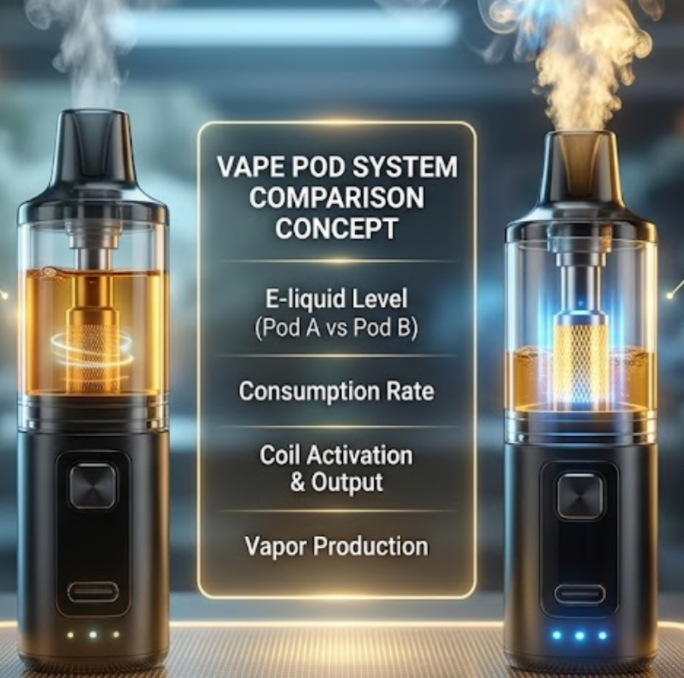
Pod Systems: 6 months. Frequent upgrades to charging protocols and coil tech keep this cycle tight. (Check out our latest Pod System Comparison).
Hybrid Systems (2ml+10ml): 4–5 months. As a newer category, rapid design iterations are frequent to optimize
TPD compliance
Why is the Cycle So Short?
1. The "Smartphone-ification" of Hardware
Vaping devices are no longer simple nicotine delivery tools; they are high-tech gadgets. The integration of HD screens, Bluetooth, and interactive features means that as soon as a new chip or display becomes cheaper to mass-produce, older models become obsolete. When a competitor launches a "Turbo Mode" or a built-in game, your current inventory suddenly feels like a relic.
2. Regulatory Cat-and-Mouse
Global regulations are the primary "executioner" of product lines.
Policy Shifts: The UK's 2026 structural shifts and new tax stamp requirements force manufacturers to overhaul packaging and hardware designs in months, not years.
Compliance: To stay ahead of flavor bans or hardware restrictions, brands must pivot their entire SKU list quarterly to maintain market access.
3. Retail Shelf Survival of the Fittest
Shelf space is the most valuable real estate in the industry. Retailers prioritize high-margin, fast-moving items. If a product’s sales velocity dips even slightly, it is replaced by the "next big thing" with a higher puff count or a flashier design. This forces manufacturers to "self-cannibalize"—releasing new models to kill off their own older ones before a competitor does.
4. The "Boredom" Factor
Modern consumers, especially in the disposable segment, have extremely low brand loyalty. They are constantly hunting for new flavor profiles and aesthetics. To keep these users engaged, brands must refresh their offerings at a pace that mirrors the seasonal cycles of the fashion industry.
Conclusion: Adapting to the "Six-Month Rule"
The sub-6-month life cycle is a double-edged sword. While it drives incredible innovation and keeps the market exciting, it requires a highly agile supply chain. For B2B partners, the key is to work with reliable manufacturers who can provide TPD-compliant, cutting-edge tech without the risk of "dead stock."
In 2026, if you aren't launching the future, you're selling the past.
Ready to update your inventory with the latest compliant tech? Contact Debut Vape today.