From Skepticism to Understanding: My Personal Journey with Vaping
From Skepticism to Understanding: How Modern Attitudes Toward Vaping Are Changing
For many years, public opinion about vaping has been divided. Some people see it as a revolutionary harm-reduction tool for smokers, while others worry about addiction and unknown health effects.
I used to belong to the second group.
At first, I believed vaping was just another harmful habit. After all, vape e-liquid is a chemical mixture, and it still contains nicotine, a substance known for its addictive properties. Like many people, I assumed that vaping might be just as dangerous as traditional cigarettes — perhaps even worse because it was relatively new.
However, as I learned more about how vaping works and how it compares to smoking, my perspective began to change.
This shift in understanding reflects a broader trend: modern society is gradually developing a more nuanced view of vaping and nicotine alternatives.
Why Many People Initially Distrust Vaping
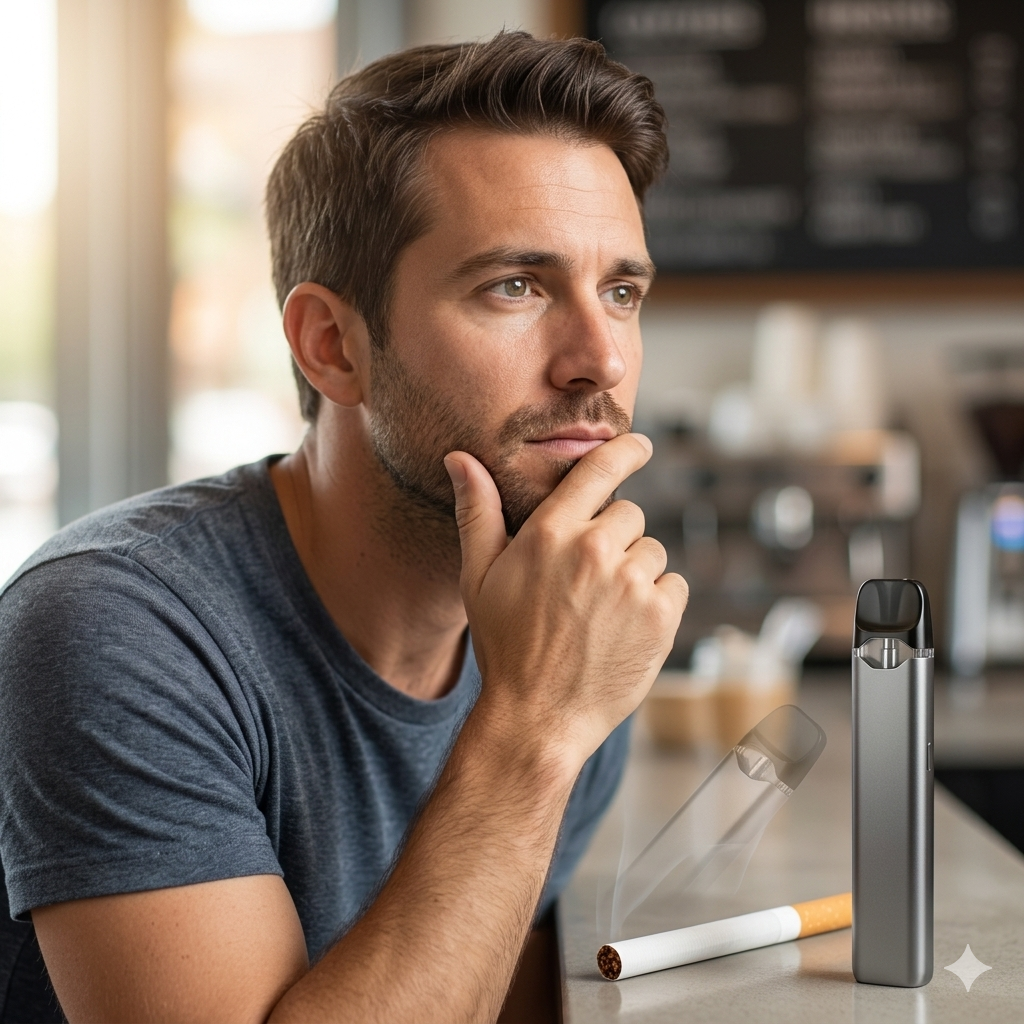 It’s completely understandable why many people feel skeptical about vaping.
Traditional cigarettes have been linked to severe health problems for decades, including cancer, heart disease, and respiratory illness. When vaping first appeared, people naturally worried that it might simply be another harmful tobacco product disguised with modern technology.
Several factors contributed to this skepticism:
Vape liquids are chemically formulated
Devices produce visible vapor that resembles smoke
Nicotine addiction remains a concern
Long-term health data is still developing
Because of these factors, many people initially assume that vaping must be equally harmful as smoking.
I once thought the same.
Understanding the Difference Between Vaping and Smoking
Over time, however, scientific research and public health discussions have clarified an important distinction: vaping and smoking are fundamentally different processes.
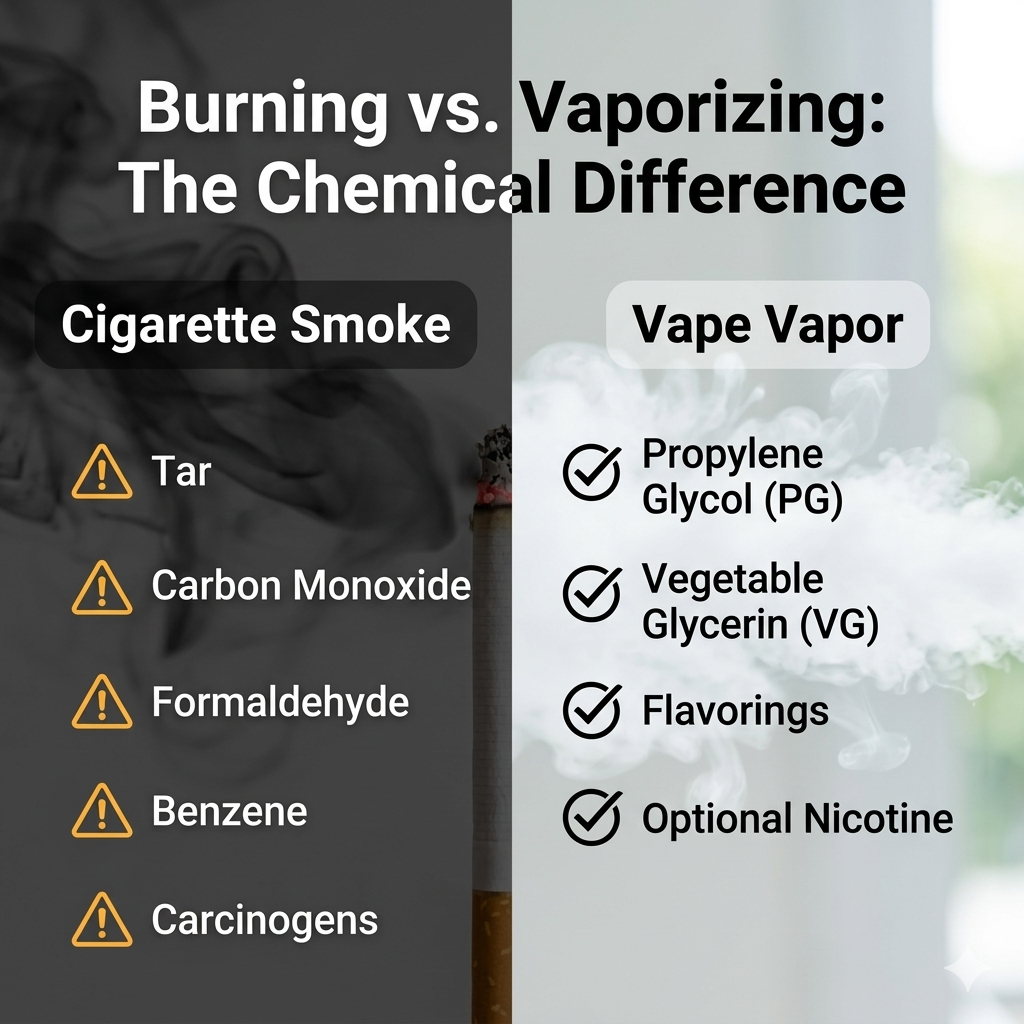
Traditional cigarettes work by burning tobacco.
This combustion process produces thousands of chemicals, including many toxic substances such as:
Tar
Carbon monoxide
Formaldehyde
Benzene
Numerous carcinogens
It is these combustion by-products — not nicotine itself — that cause the majority of smoking-related diseases.
Vaping devices, on the other hand, do not burn tobacco. Instead, they heat a liquid mixture (commonly called e-liquid or vape juice) to create vapor.
Typical vape liquids contain:
Propylene glycol (PG)
Vegetable glycerin (VG)
Flavorings
Optional nicotine
Because there is no combustion, vaping generally produces far fewer harmful chemicals compared to traditional cigarettes.
This doesn’t mean vaping is completely risk-free — but the risk profile is significantly different.
The Misunderstood Role of Nicotine
Another major misconception involves nicotine itself.
For many years, nicotine was widely believed to be the primary cancer-causing substance in cigarettes. In reality, nicotine is mainly responsible for addiction, not cancer.
Most smoking-related cancers are linked to the toxic chemicals produced by burning tobacco, not the nicotine molecule itself.
This distinction is important when evaluating nicotine alternatives such as:
Vaping devices
Nicotine pouches
Nicotine replacement therapy (patches, gums)
These products aim to provide nicotine without the toxic smoke produced by burning tobacco.
The Real Concerns Around Vaping
While vaping may present fewer harmful chemicals than smoking, it still raises legitimate concerns.
One of the biggest issues is its potential appeal to non-smokers and young people.
Flavorful e-liquids, sleek devices, and social media visibility can make vaping attractive to individuals who might otherwise never have used nicotine products.
Public health experts often highlight several concerns:
Youth experimentation and nicotine addiction
Marketing practices targeting younger audiences
Lack of long-term health data
Misuse by non-smokers
These are real issues that regulators and manufacturers continue to address.
Responsible regulation and age restrictions play a crucial role in balancing harm reduction with public health protection.
Why Many Smokers Turn to Vaping
Despite these concerns, vaping has become an increasingly popular alternative among adult smokers.
For long-term smokers, quitting cigarettes is often extremely difficult due to nicotine addiction and behavioral habits. Traditional cessation methods do not work for everyone.
Vaping offers several characteristics that may make switching easier:
1. A Similar Experience to Smoking
Vaping mimics the hand-to-mouth behavior and inhalation experience of smoking, which can help smokers transition away from cigarettes.
2. Lower Exposure to Combustion Toxins
Because there is no tobacco combustion, smokers who switch to vaping may reduce their exposure to many harmful chemicals found in cigarette smoke.
3. Flavor Variety
Unlike traditional tobacco products, vaping offers a wide variety of flavors, which can help smokers move away from the taste associated with cigarettes.
4. Reduced Secondhand Impact
Vapor dissipates faster and generally produces less lingering odor compared to cigarette smoke.
Vaping as a Harm Reduction Strategy
In recent years, the concept of harm reduction has become increasingly important in public health discussions.
Harm reduction recognizes that while eliminating all risk may not always be possible, reducing harm can still provide meaningful benefits.
For adult smokers who struggle to quit nicotine entirely, alternatives such as vaping may represent a step toward reducing exposure to the most dangerous aspects of smoking.
Many experts now frame vaping within this context: not as a perfect solution, but as a potentially less harmful alternative for existing smokers.
Changing Social Attitudes Toward Vaping
Public attitudes toward vaping continue to evolve.
Early reactions were often polarized — some people praised it as a miracle quitting tool, while others condemned it as equally dangerous as smoking.
Today, the conversation has become more balanced.
Modern perspectives increasingly recognize that:
Vaping is not risk-free
Youth access must be carefully controlled
However, it may play a role in harm reduction for adult smokers
As research expands and regulations improve, society is gradually developing a more nuanced understanding of where vaping fits within public health strategies.
A Personal Shift in Perspective
Looking back, my own perspective has changed significantly.
I once viewed vaping with skepticism and even criticism. Like many people, I assumed it was simply another harmful habit.
But after learning more about the differences between smoking and vaping, I began to see it in a different light.
While vaping certainly has drawbacks — especially regarding youth use and nicotine addiction — it also provides an alternative for smokers seeking to reduce the damage caused by traditional cigarettes.
This realization shifted my attitude from rejection and judgment to understanding and cautious support.
The Future of Smoke-Free Alternatives
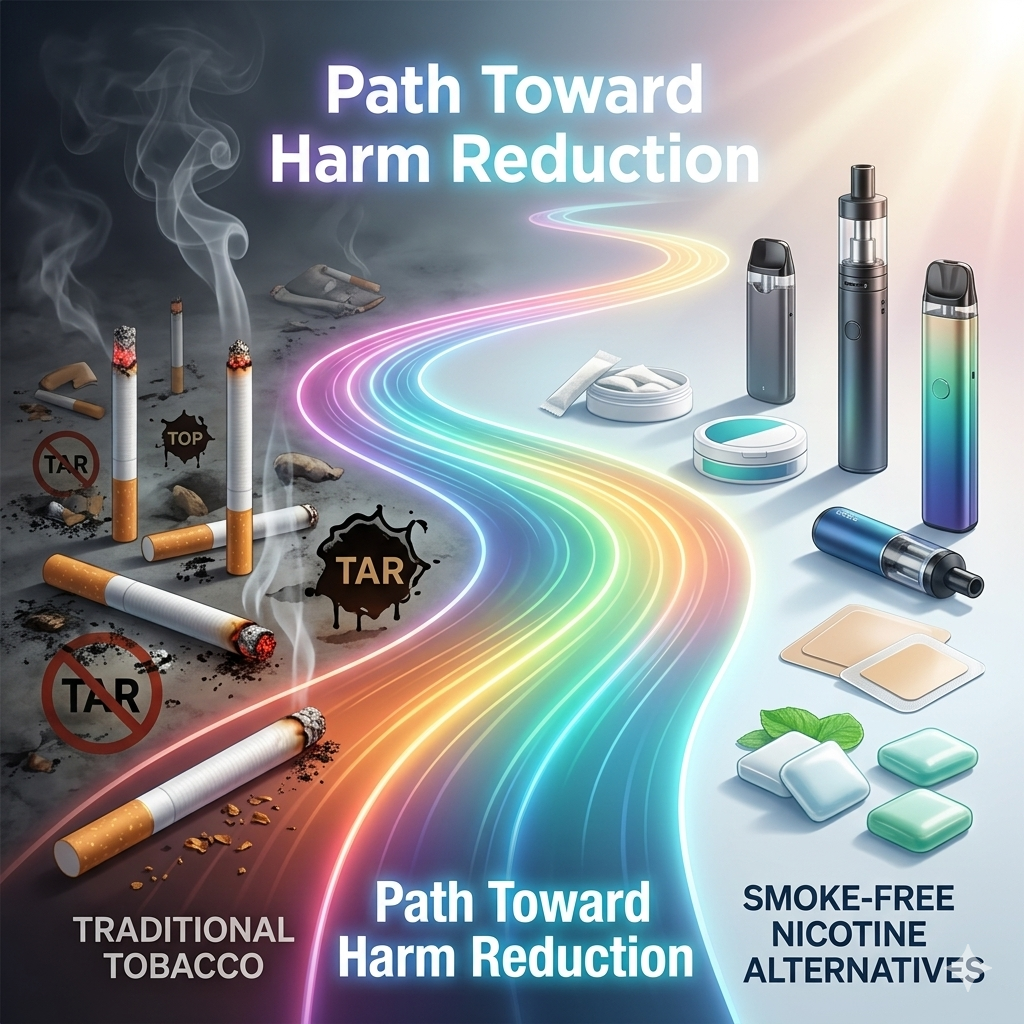 As technology continues to evolve, smoke-free nicotine products will likely play an increasingly important role in the future.
Innovation in areas such as:
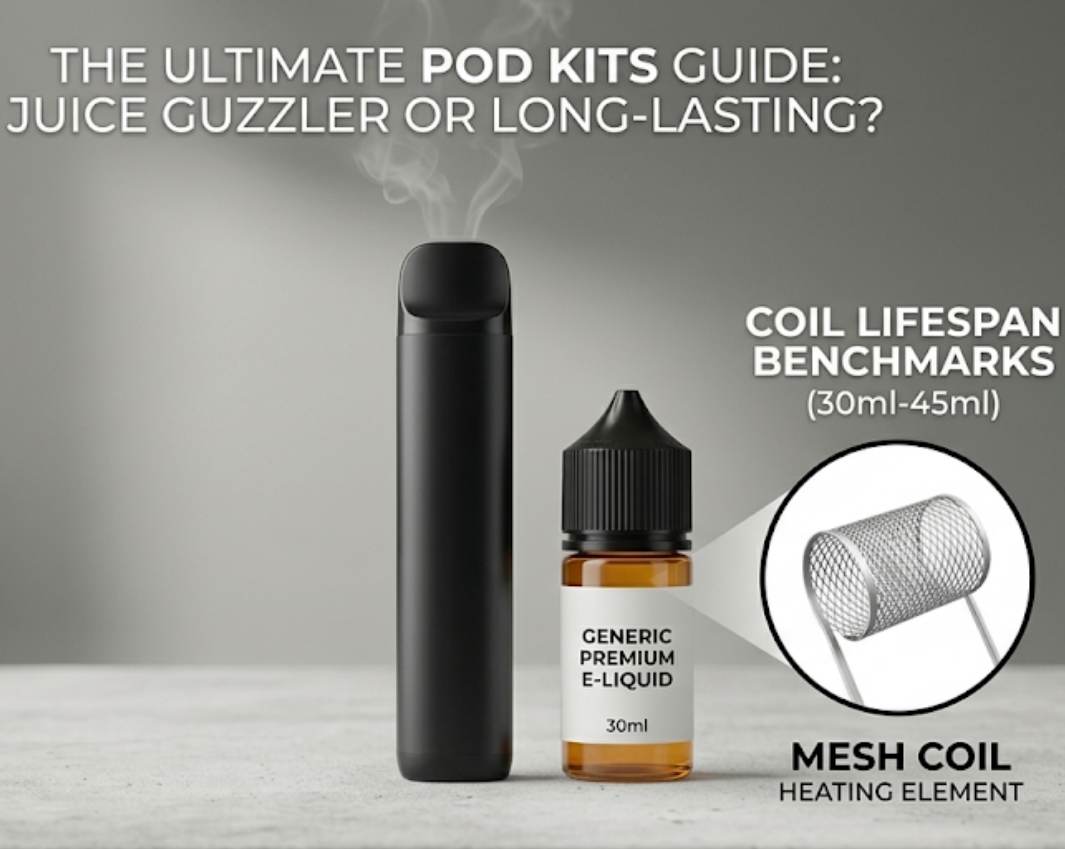
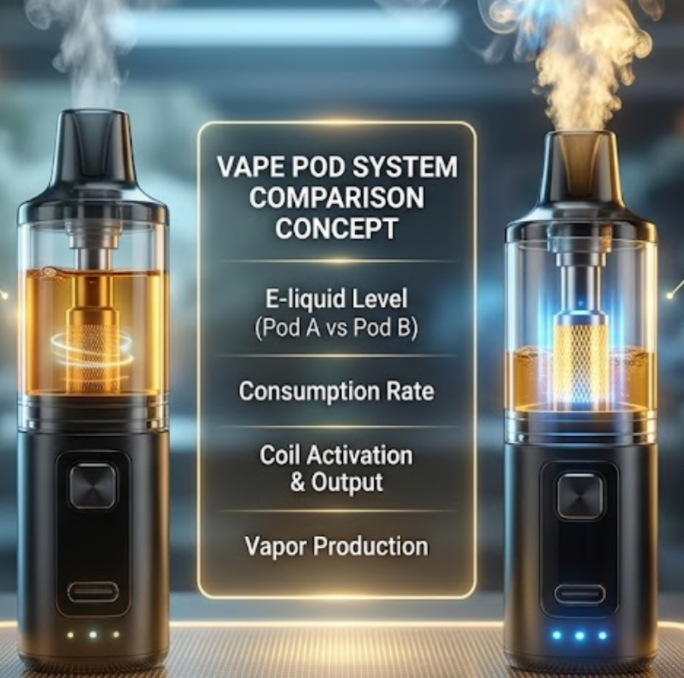
refillable pod systems
high-efficiency coil technology
nicotine pouches
regulated disposable devices
is changing the landscape of nicotine consumption.
For many smokers, these innovations offer a pathway away from combustible tobacco.
Final Thoughts
The debate surrounding vaping will probably continue for many years.
However, one thing is becoming increasingly clear: the conversation is no longer simply about whether vaping is good or bad.
Instead, the real question is how vaping fits within a broader strategy to reduce the harm caused by traditional smoking.
For non-smokers and young people, avoiding nicotine entirely remains the best choice.
But for adult smokers who have struggled to quit, modern nicotine alternatives — including vaping — may represent a meaningful step toward a less harmful future.
And that is why many people, including myself, have gradually shifted from skepticism toward a more balanced understanding of vaping.